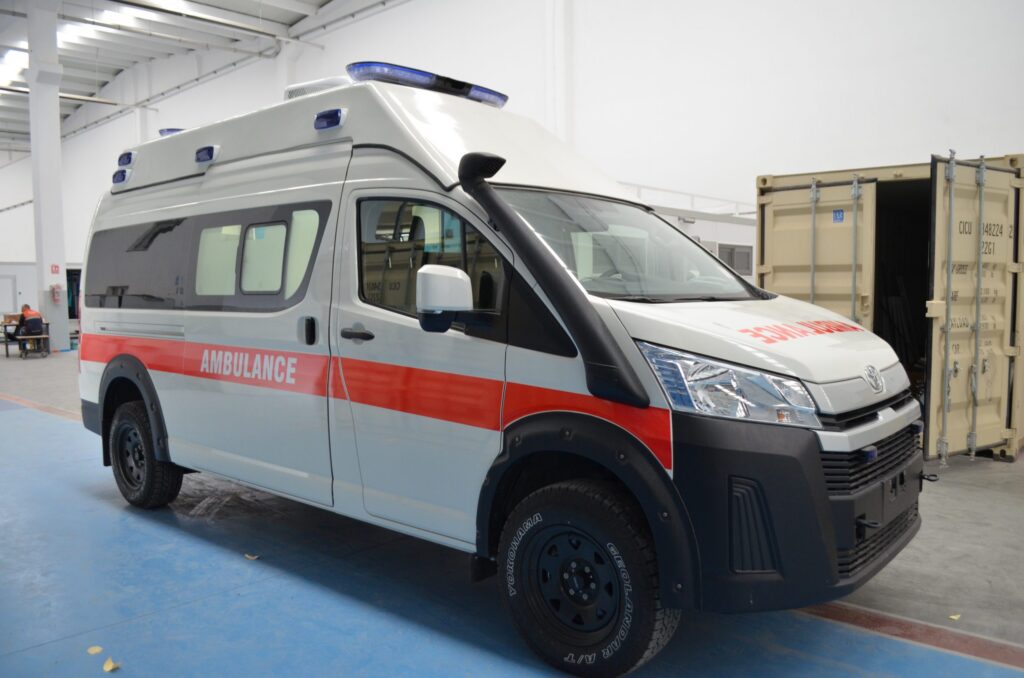
An emergency medical vehicle is essentially a fully functional mobile hospital. Therefore, having the precise tools onboard is absolutely critical for survival. Without a doubt, a single missing item can delay life-saving treatment. Consequently, every medical fleet needs a rigorous and standardized inventory protocol. Welcome to the ultimate ambulance medical equipment checklist. In this comprehensive guide, we detail everything required for emergency transit. Specifically, we cover both Basic Life Support (BLS) and Advanced Life Support (ALS) setups. Furthermore, we emphasize strict adherence to international vehicle safety standards. Read on to ensure your fleet remains completely mission-ready at all times.
Complying with EN1789 and ISO 13485 Standards
Safety and quality are paramount in modern emergency medical services. Therefore, your onboard equipment must meet strict international manufacturing standards. For instance, the European EN1789 standard heavily regulates ambulance design and equipment. It mandates strict 10G crash-testing for all medical cabinets and device mounts. Consequently, every defibrillator, suction unit, and oxygen tank must remain securely anchored.
Furthermore, all electromedical devices must hold current ISO 13485 certification. This critical standard governs quality management systems for sensitive medical devices. Specifically, it ensures life-support equipment functions flawlessly under extreme mechanical stress. Thus, never ignore EN1789 and ISO 13485 guidelines during your procurement process. Ultimately, these rigorous standards directly protect your medical crew and vulnerable patients.
1. Airway and Breathing Equipment
Maintaining a patient’s airway is always the top clinical priority. Therefore, airway management tools form the absolute core of this checklist.

BLS Airway Supplies:
First, you need a robust, wall-mounted piped oxygen system. Additionally, portable oxygen cylinders are required for rapid scene responses. Moreover, you must carry a variety of adult and pediatric oxygen masks. Specifically, non-rebreather masks and standard nasal cannulas are essential components. Furthermore, bag-valve-mask (BVM) resuscitators are needed for immediate manual patient ventilation. Finally, a portable, battery-operated suction unit is absolutely critical for emergencies. It removes fluids and clears the airway rapidly during trauma.
ALS Airway Upgrades:
ALS ambulances routinely handle severe, life-threatening respiratory failure. Therefore, paramedics need advanced invasive tools to secure the patient’s airway. For example, they require laryngoscopes equipped with various specialized blade sizes. Consequently, endotracheal tubes are essential for establishing a secure breathing path. In addition, ALS units carry highly sophisticated mechanical transport ventilators. Furthermore, advanced capnography monitors are used to track exhaled carbon dioxide. Ultimately, these high-tech tools transform the ambulance into a mobile intensive care unit.
2. Cardiac Care and Defibrillation
Cardiac emergencies require immediate, decisive intervention to prevent fatal outcomes. Therefore, cardiac care equipment is undeniably vital for every single ambulance.

BLS Cardiac Tools:
Basic units focus heavily on providing rapid, effective defibrillation. For instance, an Automated External Defibrillator (AED) is a mandatory requirement. The AED must include both adult and specialized pediatric chest pads. Furthermore, fully charged spare batteries for the AED must be readily available. Consequently, EMTs can deliver immediate, life-saving shocks during sudden cardiac arrest.
ALS Cardiac Upgrades:
ALS units regularly manage highly complex and dangerous cardiac arrhythmias. Therefore, they carry advanced, multi-parameter cardiac monitors for detailed analysis. Specifically, these premium monitors provide continuous 12-lead ECG diagnostic readouts. Moreover, they feature manual defibrillation and external cardiac pacing capabilities. Additionally, paramedics use these devices to analyze heart rhythms instantly on scene. Thus, doctors at the receiving hospital receive critical data before patient arrival.
3. Trauma and Immobilization Gear
High-speed accidents often result in severe fractures and dangerous spinal injuries. Therefore, proper trauma gear prevents further debilitating injury during transit.
First, every ambulance needs a sturdy, lightweight scoop stretcher. In addition, rigid long backboards equipped with head immobilizers are required. Consequently, paramedics can safely stabilize patients with suspected severe spinal trauma. Furthermore, adjustable cervical collars in multiple sizes are absolutely essential.
Moreover, you must stock various types of extremity splints. For example, traction splints are crucial for managing severe femur fractures. Additionally, moldable vacuum splints offer excellent support for broken arms and legs. Furthermore, massive bleeding control kits are mandatory for trauma responses. Specifically, these trauma kits must contain combat tourniquets and hemostatic gauze dressings. Finally, sterile burn sheets and large trauma dressings are necessary for major wounds.
4. Patient Assessment and Diagnostic Tools
Accurate diagnosis in the field dictates the entire emergency treatment plan. Therefore, reliable assessment tools represent a major part of this checklist.
First, standard high-quality stethoscopes are required for carefully listening to lung sounds. Furthermore, manual and digital blood pressure cuffs are strictly necessary. You must stock adult, large adult, and pediatric cuff sizes for accuracy. Additionally, portable pulse oximeters quickly measure the patient’s blood oxygen saturation levels.
Moreover, portable glucometers are essential for checking blood sugar levels instantly. Consequently, paramedics can quickly identify and treat dangerous diabetic emergencies. In addition, digital tympanic thermometers accurately measure core body temperature within seconds. Furthermore, bright medical penlights are utilized to assess neurological pupil reactivity. Ultimately, these simple diagnostic tools provide a rapid, comprehensive clinical picture of the patient.
5. Intravenous (IV) Supplies and Medications
Administering drugs and fluids is crucial for stabilizing critical trauma patients. However, the exact medication inventory depends heavily on the ambulance type.
BLS Medication Kit:
BLS units legally carry a very limited supply of basic medications. For instance, they stock oral glucose paste for conscious diabetic patients. Furthermore, epinephrine auto-injectors rapidly treat severe, life-threatening allergic anaphylactic reactions. Moreover, Naloxone nasal spray is essential for instantly reversing deadly opioid overdoses.
ALS IV and Pharmacy Supplies:
Conversely, ALS ambulances carry an extensive, highly potent mobile pharmacy. First, they require intravenous (IV) catheters in various necessary gauge sizes. Furthermore, intraosseous (IO) drills are utilized when standard IV access fails. Consequently, paramedics can deliver life-saving fluids directly into the bone marrow.
In addition, ALS units stock normal saline and lactated Ringer’s resuscitation solutions. Moreover, they carry powerful cardiac drugs like atropine, amiodarone, and epinephrine. Furthermore, electronic volumetric infusion pumps precisely control the delivery of these powerful drugs.
6. Personal Protective Equipment (PPE)
Infection control is a strictly non-negotiable aspect of modern emergency medicine. Therefore, protecting the medical crew and patient is a top priority.
First, high-quality, tear-resistant nitrile exam gloves in all sizes are mandatory. Furthermore, N95 particulate respirators effectively protect against airborne infectious diseases. Additionally, standard surgical face masks are provided for coughing patients to wear. Moreover, disposable fluid-resistant isolation gowns protect uniforms from blood and bodily fluids.
Consequently, protective eyewear and clear face shields prevent dangerous fluid splashes. In addition, powerful alcohol-based hand sanitizers must be mounted on the cabin walls. Furthermore, hospital-grade surface disinfectants are used to wipe down the stretcher. Finally, rigid, puncture-proof sharps containers safely hold used IV needles. Thus, a rigorous and uncompromising PPE protocol keeps everyone safe from cross-contamination.
7. Patient Handling and Transport Equipment
Moving heavy patients safely from the scene to the ambulance is physically demanding. Therefore, highly ergonomic and durable handling equipment is essential.
First, the main ambulance cot must feature completely secure retaining straps. Furthermore, it must lock perfectly into an EN1789-compliant rigid floor mount. Additionally, a specialized folding stair chair is required for tight apartment buildings. Consequently, paramedics can carry patients safely down narrow, winding staircases.
Moreover, a flexible, heavy-duty transport stretcher is extremely useful for confined spaces. In addition, thick, heavy-duty thermal blankets keep the patient warm during winter transit. Ultimately, utilizing high-quality transport gear prevents severe, career-ending back injuries among your medical staff.
8. Communication and Miscellaneous Tools
Effective communication instantly connects the isolated ambulance to the receiving hospital. Therefore, highly reliable technological gear is a vital part of this checklist.
First, heavy-duty two-way radios are mandatory for continuous dispatch communication. Furthermore, mobile data terminals provide GPS navigation and digital patient data entry. Consequently, paramedics can send complex ECG results directly to the emergency room doctors.
In addition, the ambulance must carry bright safety flares and reflective traffic cones. Specifically, these visible items protect the crew at busy highway accident scenes. Moreover, a heavy-duty ABC-rated fire extinguisher must be securely mounted inside the cabin. High-visibility reflective safety vests are required for all active crew members. Finally, a basic mechanical toolkit is kept onboard for resolving minor vehicle issues.
9. The Importance of Daily Inventory Checks
Simply having the right medical equipment onboard is only half the battle. Furthermore, you must ensure everything is fully functional, charged, and unexpired. Therefore, conducting rigorous daily inventory checks is absolutely critical for operational success.
First, oncoming crews must verify the pressure levels in all oxygen cylinders. Consequently, nearly empty tanks must be replaced immediately before the shift begins. In addition, the AED and complex cardiac monitors require daily automated self-diagnostic tests. Furthermore, all battery-operated portable suction units must be physically tested for proper vacuum pressure.
Moreover, paramedics must manually check the expiration dates on all stocked medications. Specifically, staff must immediately discard and replace expired IV fluids and degraded drugs. Next, technicians must check the mandatory EN1789-compliant medical cabinet slam-locks for absolute security. Ultimately, strict daily adherence to an ambulance medical equipment checklist guarantees absolute mission readiness.
Conclusion
Equipping a modern emergency medical vehicle is a highly complex logistical task. Fortunately, using a comprehensive ambulance medical equipment checklist simplifies the entire process. It ensures that every single BLS and ALS vehicle is fully prepared. Specifically, it guarantees you have the exact right tools for any medical crisis.
Furthermore, strict adherence to EN1789 and ISO 13485 standards ensures absolute operational safety. High-quality equipment actively protects both your dedicated medical crew and your vulnerable patients. Therefore, fleet procurement officers must diligently source top-tier, internationally certified medical devices.
Are you currently outfitting a new emergency medical fleet?
Do not compromise on quality, patient safety, or strict international compliance. Contact Rescue Ride Africa today. Consult directly with our expert healthcare infrastructure architects to properly design your perfect medical vehicle.